
|
Product news |
Published: 05-03-2026 Print date: 08.06.2026 |
|
|
Product news |
Published: 05-03-2026 Print date: 08.06.2026 |
Optimizing Moisture Control in Chemical Manufacturing ProcessesEffective moisture management is essential for chemical producers to maintain product stability, ensure industrial safety, and reduce energy consumption through the use of real-time NIR sensing technology.
Moisture levels in chemical production significantly influence reaction rates, crystallization, and the stability of finished products. For materials such as powders and granules, even minor fluctuations can lead to caking or segregation during conveying and mixing.
Maintaining Quality and Process ConsistencyStrict moisture control ensures that active ingredient concentrations and coating uniformities meet rigorous industry standards. Consistent moisture levels prevent product deformation and clumping, ensuring predictable performance in downstream applications like plastics and agriculture.
Safety Risks and Equipment ProtectionImproper moisture levels can introduce significant hazards to a facility. Excessively dry powders increase the risk of dust explosions, while water-reactive substances may emit flammable gases if exposed to humidity. Real-time monitoring helps mitigate these risks.
Energy Efficiency in Thermal ProcessingDrying is a highly energy-intensive phase of chemical manufacturing. By utilizing continuous in-line measurement, plants can avoid over-drying products, which reduces fuel consumption and prevents the thermal degradation of sensitive materials.
The Advantage of Real-Time NIR TechnologyUnlike traditional laboratory testing, which provides delayed snapshots of production, Near-Infrared (NIR) sensors offer continuous feedback. This allows operators to detect trends and correct deviations immediately, supporting the transition toward fully automated chemical plants.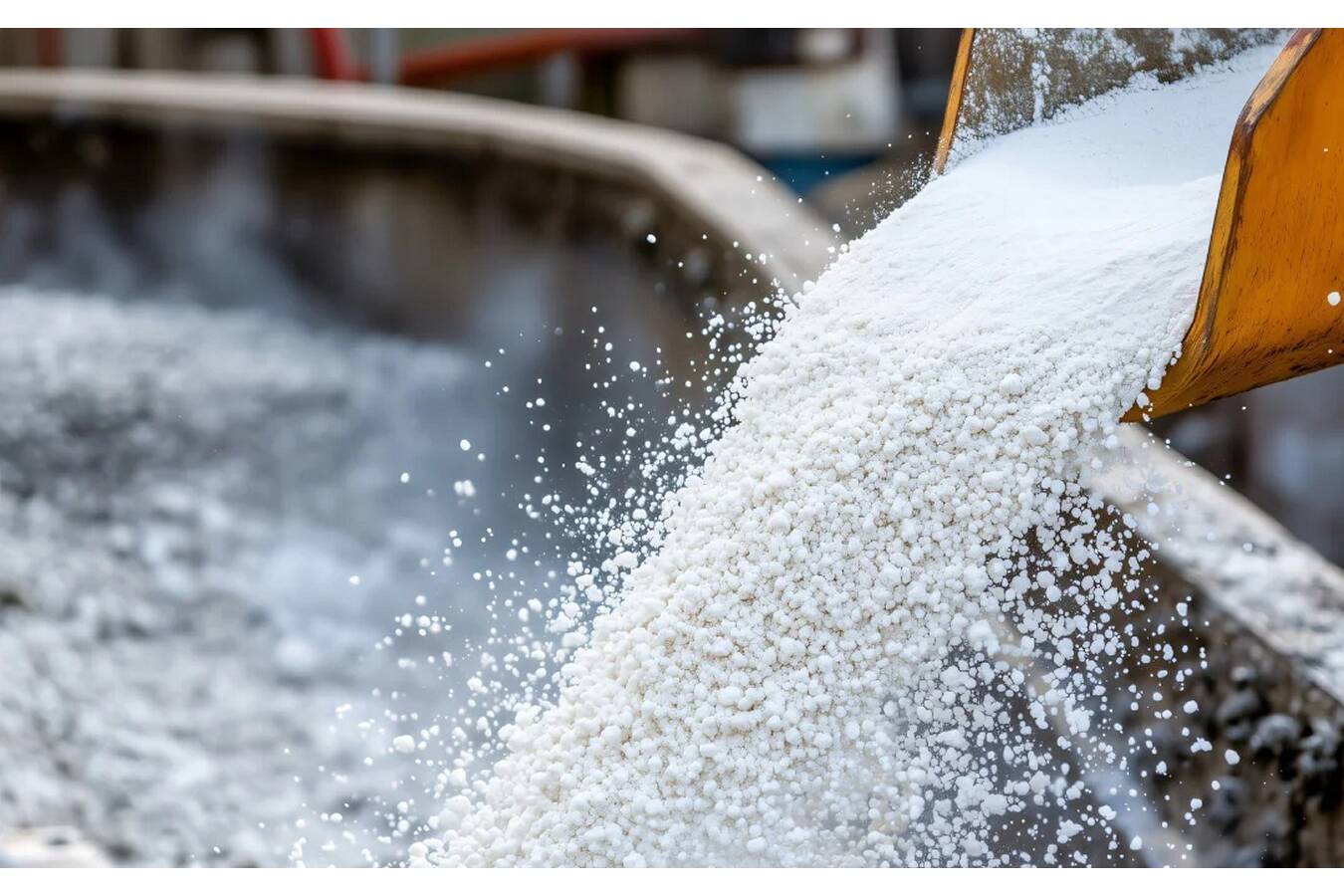
More information
Website MoistTech Corp.: https://www.moisttech.com/the-role-of-moisture-measurement-in-chemical-manufacturing/ |